Every breakthrough and progress
It is our continuous pursuit of technological innovation

Every breakthrough and progress
It is our continuous pursuit of technological innovation
In the field of industrial coating production, epoxy resin systems are widely used due to their excellent adhesion, chemical resistance, and mechanical strength. However, the final performance of epoxy coatings is not determined solely by the resin; the selection of the curing agent often becomes a core factor influencing coating performance, construction processes, and application scenarios. This article systematically explains how to scientifically select curing agents to achieve target coating performance, from the perspectives of chemical principles, performance correlations, and selection logic.
Epoxy curing agents form a three-dimensional network structure by undergoing ring-opening addition or catalytic polymerization reactions with epoxy groups, transforming linear resins into insoluble and infusible coatings. The completeness of this crosslinking process, the density of the network structure, and the types of chemical bonds directly determine the physical and chemical properties of the coating. Differences in the chemical structure of curing agents affect reaction activity, the number of crosslinking points, and molecular chain flexibility, thereby influencing the hardness, flexibility, temperature resistance, and medium resistance of the coating film.
Commonly used epoxy curing agents in the industry primarily include the following categories:
Amine-Based Curing Agents
Aliphatic Amines: High reaction activity, rapid curing at room temperature, but prone to moisture absorption, relatively strong irritation, and brittle coating films.
Polyamides: Synthesized from dimerized acids and polyamines, offering good flexibility, adhesion, and construction tolerance. Suitable for general-purpose anti-corrosion and flooring coatings.
Aromatic Amines: Excellent heat resistance and chemical resistance, but darker in color and requiring higher curing temperatures. Often used in thermal curing systems.
Cycloaliphatic Amines: Light color, good yellowing resistance, combining high reaction activity with excellent chemical resistance. Suitable for high-performance industrial topcoats and composite materials.
Phenalkamine-Based Curing Agents
The introduction of a phenolic skeleton into the amine structure significantly enhances low-temperature curing capability and adhesion to wet surfaces. Suitable for construction in low-temperature and humid environments, commonly used in heavy anti-corrosion fields such as ships and bridges.
Modified and Specialty Curing Agents
Including ketimines, Mannich bases, epoxy-amine adducts, etc. These achieve a balance between reaction speed, pot life, surface condition, and other construction properties through chemical modification, meeting specific process requirements.
The following performance correlations must be comprehensively evaluated when selecting a curing agent:
Curing Conditions and Construction Adaptability
Ambient temperature, humidity, and available construction time (pot life) directly influence the selection of curing agent types. Low-temperature environments require phenalkamines or low-temperature active modified amines; automated production line construction requires precise matching of gel time and drying rate.
Coating Film Mechanical and Durability Performance
Systems with high crosslinking density exhibit better hardness and wear resistance but reduced flexibility. Long-chain polyamide types provide better internal stress release and substrate deformation followability. Selection should be based on the type of mechanical stress the coating will endure (impact, friction, bending, etc.).
Resistance to Chemical Media
Aromatic structures and high crosslinking density help improve solvent and acid/alkali resistance. If exposed to specific chemicals (e.g., fuel, acid, or alkali solutions), the stability of the curing agent system must be verified through immersion tests.
Appearance and Environmental Requirements
Light-colored coatings require cycloaliphatic amines or hydrogenated products. Increasingly stringent environmental regulations are driving the development of low-VOC, solvent-free, and water-based curing agent systems. Compliance must be considered during selection.
Define the Coating’s End-Use Environment
Including corrosive media, temperature range, mechanical load, and expected service life.
Determine Construction Process Limitations
Including mixing ratio, pot life, drying conditions, and application methods.
Laboratory Formulation Matching and Verification
Screen candidate systems through basic performance tests (hardness, adhesion, impact resistance) and targeted aging/chemical resistance tests.
Pilot Testing and Field Evaluation
Verify constructability, storage stability, and batch consistency under actual production conditions.
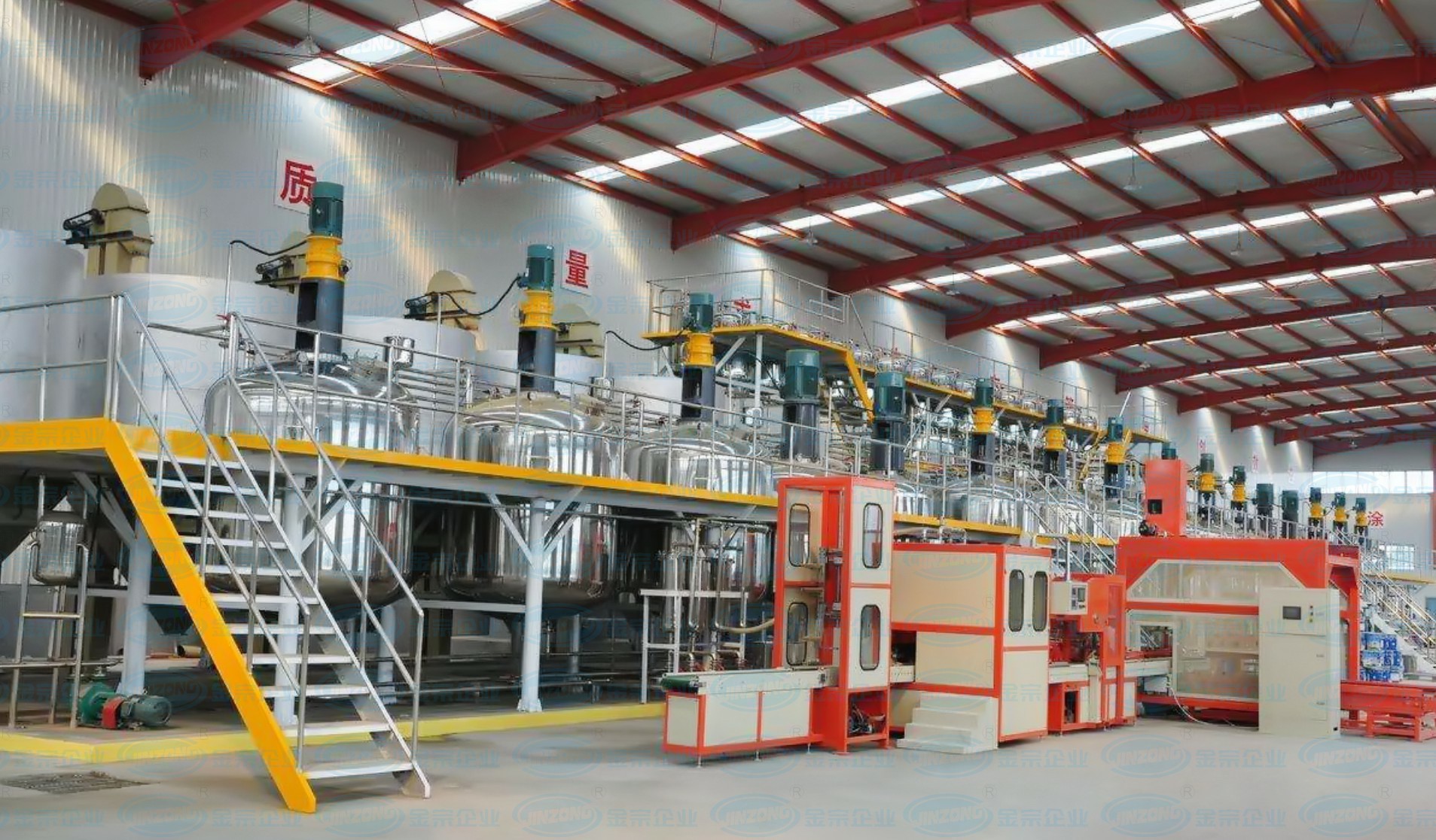
We specialize in the research, development, and production of amine-based and modified epoxy curing agents. We offer a comprehensive range of products, including aliphatic amines, polyamides, aromatic amines, cycloaliphatic amines, and phenalkamines. Customized product selection and technical support services are available based on your resin system, performance goals, and production conditions. We welcome further discussions on your specific needs.
Highfar National Service Hotline


