Every breakthrough and progress
It is our continuous pursuit of technological innovation

Every breakthrough and progress
It is our continuous pursuit of technological innovation
With the continuous development of modern construction, transportation, and industrial manufacturing, the demand for stronger, more durable, and more efficient bonding solutions continues to grow. Structural adhesives have become an essential bonding technology for replacing or complementing traditional mechanical fastening methods. By providing excellent adhesion, load-bearing capability, and long-term durability, structural adhesives help improve the safety, reliability, and performance of various engineering applications.
What are structural adhesives?
Structural adhesives are a class of high-performance adhesives designed to provide durable structural bonding, load transfer, and reinforcement. They possess high bond strength, good durability, fatigue resistance, and resistance to environmental degradation. They can replace or complement some traditional mechanical joining methods and are used to connect substrates such as metals, concrete, composite materials, and wood.
What is the difference between structural adhesives and ordinary adhesives?
Structural adhesives generally refer to high-strength adhesives designed for use in load-bearing structures, where they transfer loads and withstand significant mechanical stress. They also have good resistance to aging, chemicals, and fatigue, and possess a certain degree of toughness. Ordinary adhesives, on the other hand, have relatively lower strength and poorer durability and cannot be used in structural components.
What are the applications of structural adhesives in civil engineering?
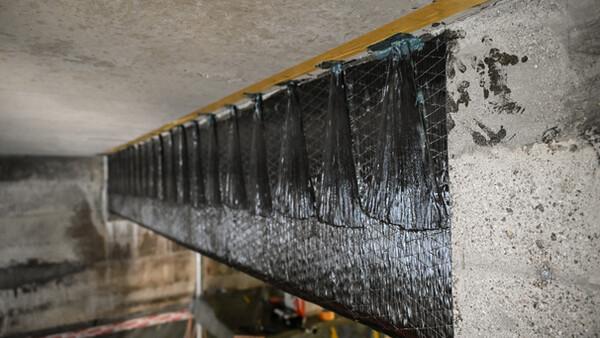
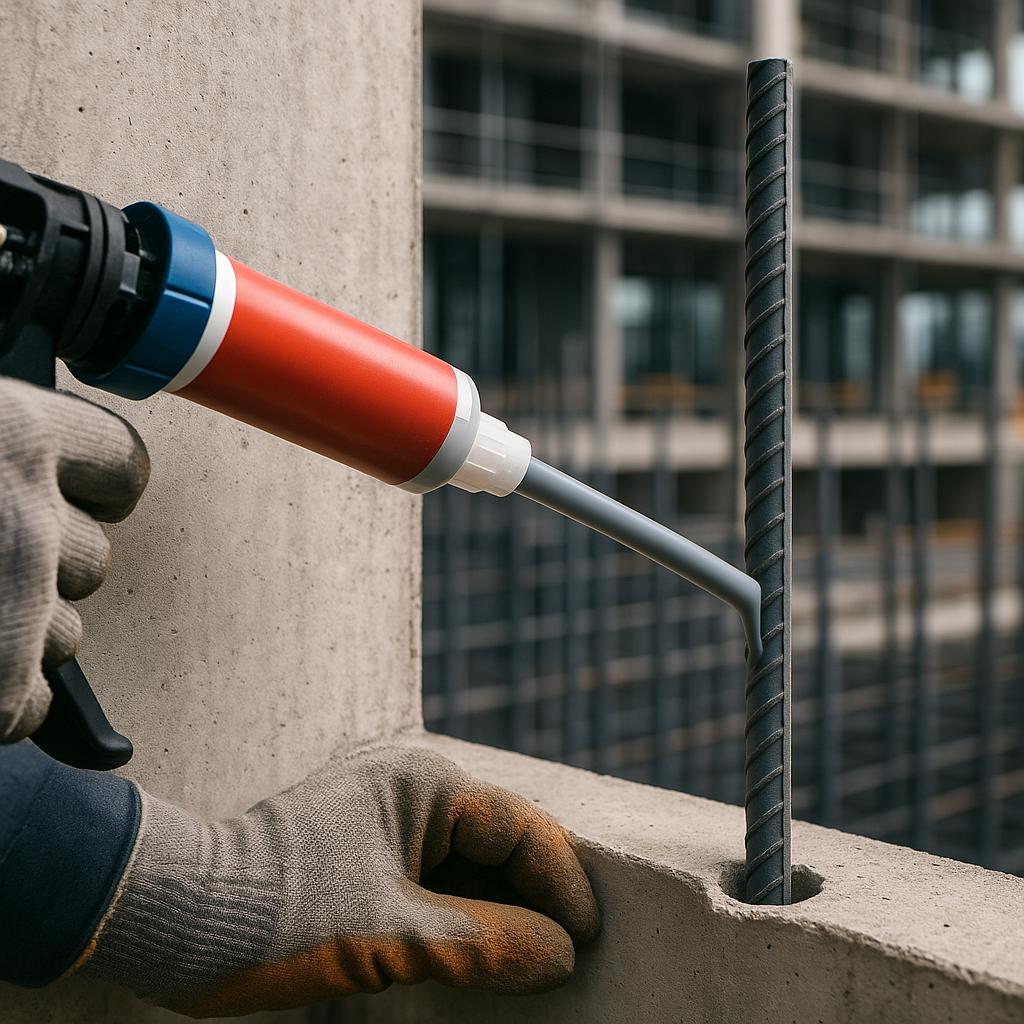
Structural adhesives are widely used in civil engineering, mainly for anchoring, reinforcing, connecting, repairing, and strengthening load-bearing structural components, including steel plate bonding, carbon fiber reinforcement, rebar anchoring, bolt anchoring, crack repair, hole filling, and road stud installation.
How should structural adhesives be used at different temperatures?
(1) Structural adhesives perform best within the temperature range of 5–40°C. At temperatures above 40°C, curing accelerates and the working time becomes shorter. Therefore, smaller batches should be prepared and used promptly to avoid excessive heat generation caused by rapid curing. At temperatures below 5°C, curing slows down and the degree of cure may be affected. Appropriate heating measures are recommended.
(2) During winter construction, if the temperature drops suddenly, structural adhesive component A may occasionally crystallize. Simply warm the adhesive to approximately 50-80°C and maintain this temperature for about 30 minutes until it melts and is thoroughly stirred before use.
A typical epoxy structural adhesive system consists of an epoxy resin component and an amine-based curing agent. The curing agent plays a critical role in determining the final properties of the adhesive, including curing speed, toughness, chemical resistance, and bonding strength. Different amine curing technologies, such as modified amines, cycloaliphatic amines, and phenalkamine curing agents, can be selected to meet specific application requirements.
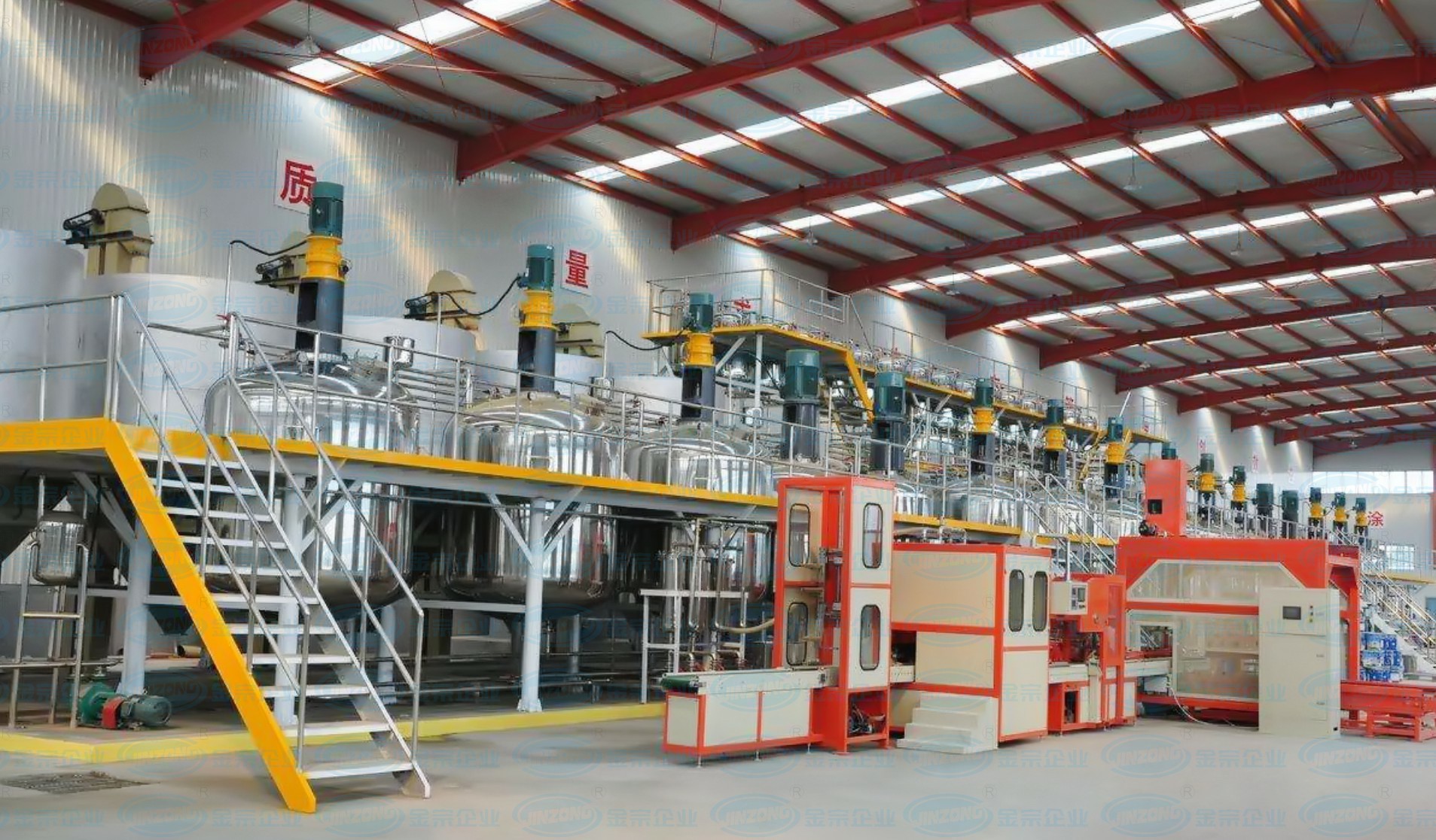
Highfar provides high-performance epoxy curing agents for structural adhesive applications. Our amine-based curing agents are designed to deliver excellent adhesion, optimized curing performance, high toughness, and reliable mechanical properties. With extensive experience in epoxy systems, Highfar supports customers in developing customized structural adhesive solutions for different application requirements.
Whether used in construction reinforcement, composite materials, or industrial bonding, structural adhesives offer a reliable and efficient solution for modern engineering challenges.


Highfar National Service Hotline


